
Forget memorising etiquette.
Become a Corporate Chameleon instead.

Picture the scene. Somewhere in a hotel room abroad, a Brit on a business trip is practising a handshake they’ve read about online, or practising a bow in the mirror before meeting a client. We’ve all been there but our research suggests that knowing the rules will only get you so far.

At Good Business Travel, we call the people who really succeed overseas Corporate Chameleons.
They’re not trying to become someone else. They simply know how to adapt to different business cultures while staying true to themselves.
Because successful international business isn’t about getting every cultural detail right. It’s about understanding the people sitting across the table from you.
The rise of the
Corporate Chameleon




Natasha Inglis, Client Experience Director at Good Business Travel said, “Our research shows that people genuinely want to be respectful when they travel, but even those who take the time to prepare are still getting caught out.
“That’s why we’re encouraging professionals to become Corporate Chameleons. It’s not about pretending to be someone you’re not or memorising every cultural custom before you board a plane. It’s about reading the room, adapting to different business environments and recognising the small signs of respect that help build trust.
“Preparation will always help, but it is about being adaptable rather than worrying about getting every cultural detail perfect.”
Three habits every Corporate Chameleon shares
We teamed up with etiquette expert, corporate protocol consultant and founder of etiquetteexpert.org, Jo Hayes, to find out what really helps when you’re building relationships overseas:
Be natural
“Use the other person’s name frequently, but be natural, don’t over-use it. We humans love to hear our own name. It creates an immediate personal connection, and demonstrates attention, recognition and acknowledgement, while creating a culture of respect.”

Be confident
“Confidence, grace and skill, in introducing oneself, and others. Do one’s best to make all in the group feel welcome and comfortable.”

Be curious
“Humans warm to people who demonstrate a genuine interest in them. Ask questions, inquire as to their day, their weekend, their family, but don’t be too probing – this is business, after all.

Who is finding it hardest to adapt
Our survey of 1,000 British travellers* found that while 75% research local rules before flying, almost the same number (72%) still end up accidentally breaking a local norm.


While almost everyone experiences cultural surprises, some groups struggle more than others.
- Men are more likely than women to admit they’d broken a local custom (68% compared with 52%). They were also more likely to say they’d accidentally caused offence (65% vs 52%) or been corrected by a local (63% vs 45%).
- Young travellers however topped the table for breaking the rules (71%) even though they’re the age group most likely to have done their research beforehand.
Four in five (81%) said they were surprised by just how different business etiquette can be overseas, while almost two-thirds (65%) described the experience as extremely embarrassing.

The small signs of respect that matter the most

20 business etiquette rules every British traveller should know.
From avoiding Friday meetings in Bahrain to understanding personal space in Taiwan, it offers practical tips to help people adapt naturally – without feeling like they have to become someone else.
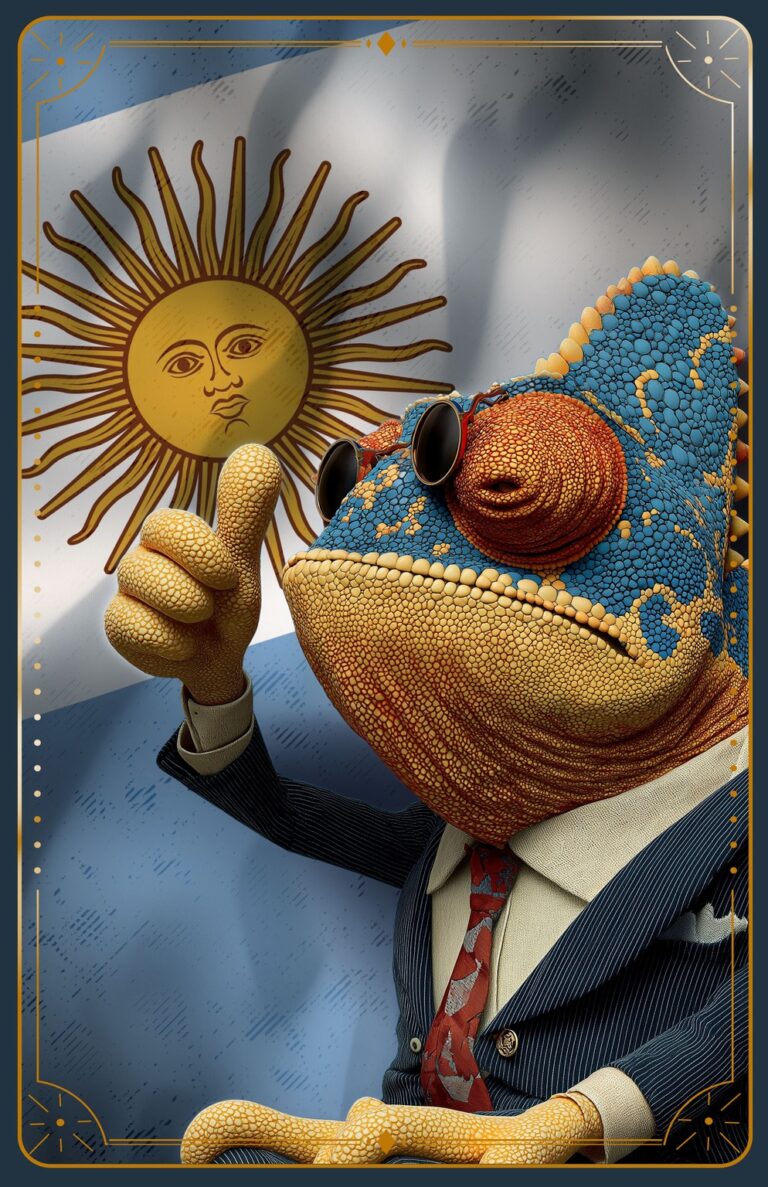
Argentina
Worldwide Google searches for “Argentina business etiquette” skyrocketed 282% from March to June 2026, suggesting Brits are scrambling for what not to do.
Though it’s only an innocuous gesture in the UK, a simple “thumbs up” may land you in a little trouble in Argentina, as it is generally considered rude, and some may even see it as vulgar due to it being used as an outright insult in the past. Argentinian humour can also be more direct, often teasing the person they’re speaking to, so Brits shouldn’t take it personally.

Bahrain
As the Kingdom of Bahrain has seen strong growth in the past year, including in non-oil activities, it’s a good idea for anyone travelling there to be aware of cultural differences ahead of time. International meeting etiquette is a little different on the island state.
Business travellers to Bahrain should be aware that the working week typically runs from Sunday to Thursday. Avoid scheduling meetings on Fridays, which are reserved as the holy day in Islam.
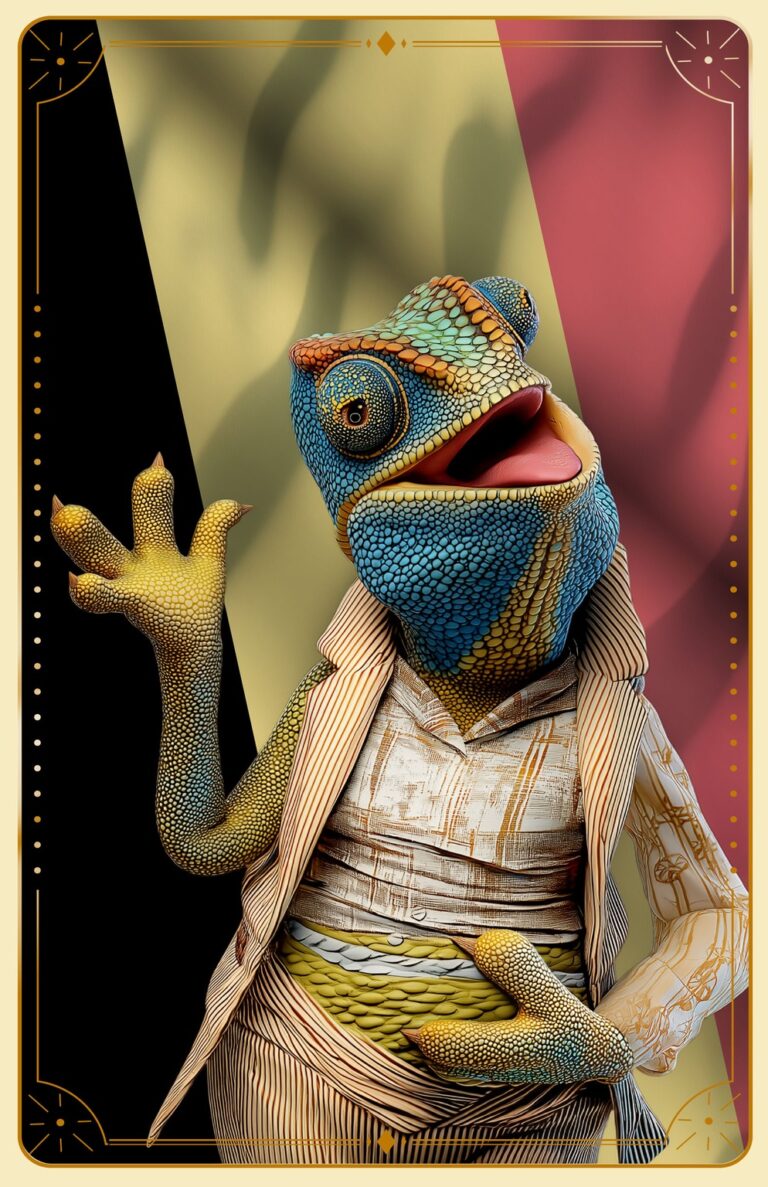
Belgium
Business culture in Belgium tends to be more reserved than in the UK, and so even being a little bit too emotive can come off as strange. Gesticulating or talking too excitedly can be seen as disruptive, so try to keep things calm and professional.
Searches for “Belgian etiquette” increased 404% in the past year with the best advice being to stay a little reserved and be modest, in dress, conversation, and body language alike.
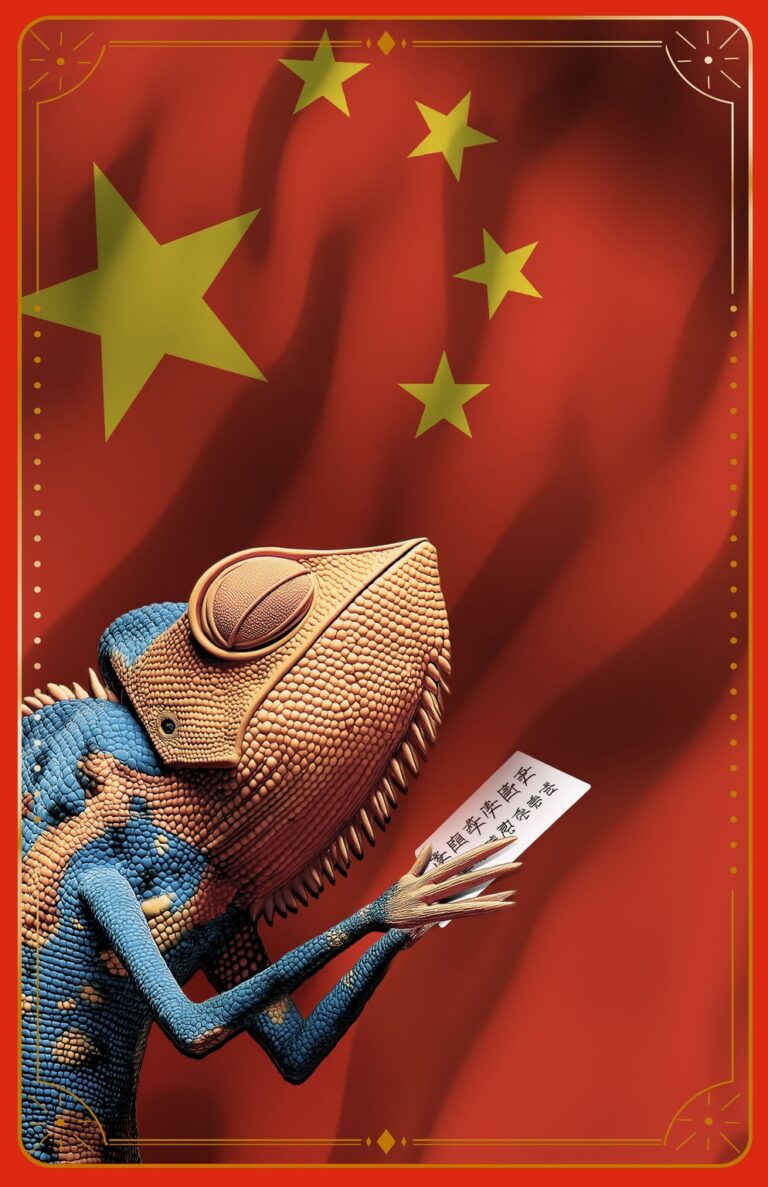
China
Search interest for “China etiquette” went up 1714% in the past year.
Those travelling to China for work should avoid handing business cards with one hand, as passing things over with two is a greater sign of respect. And while any British workplace values punctuality, it is a serious offence to be late in China, so avoid this at all costs.
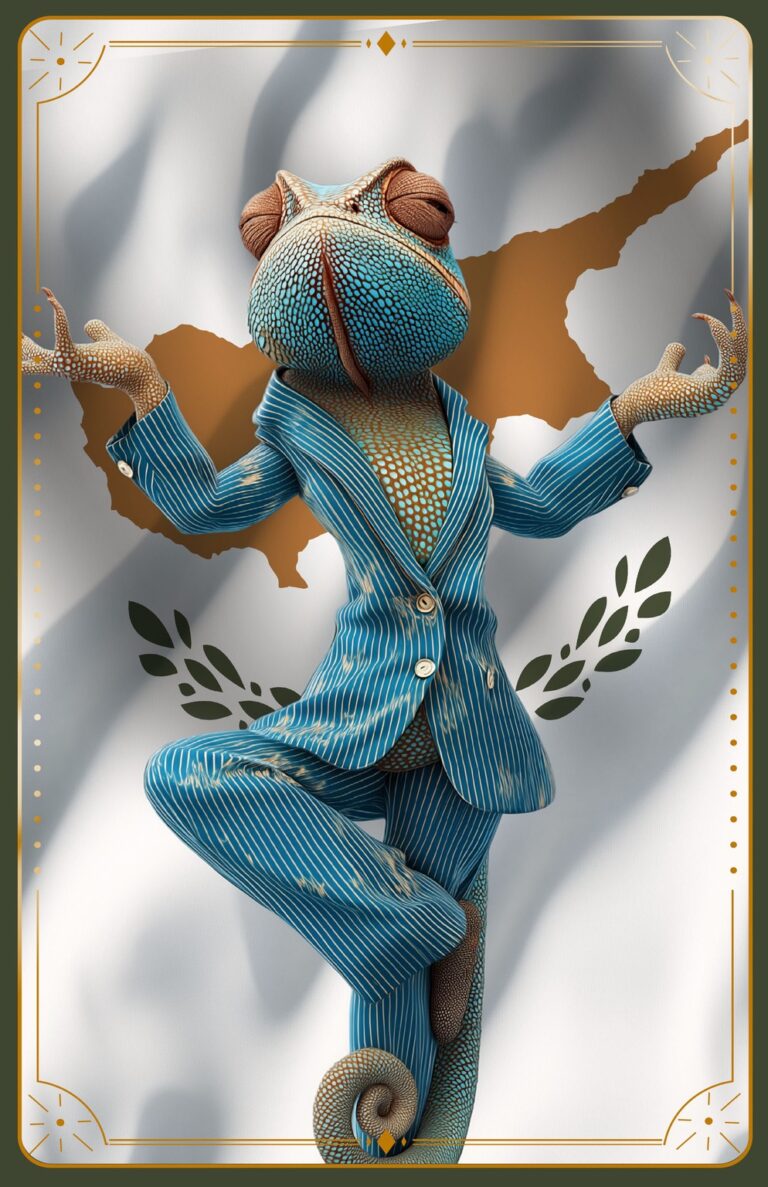
Cyprus
Cypriots have a relaxed view of time, which means deadlines are closer to a suggestion than a hard rule. So, don’t be surprised if your business partners miss one.
Worldwide Google searches for “Cyprus work culture” went up 239% in spring of 2026.
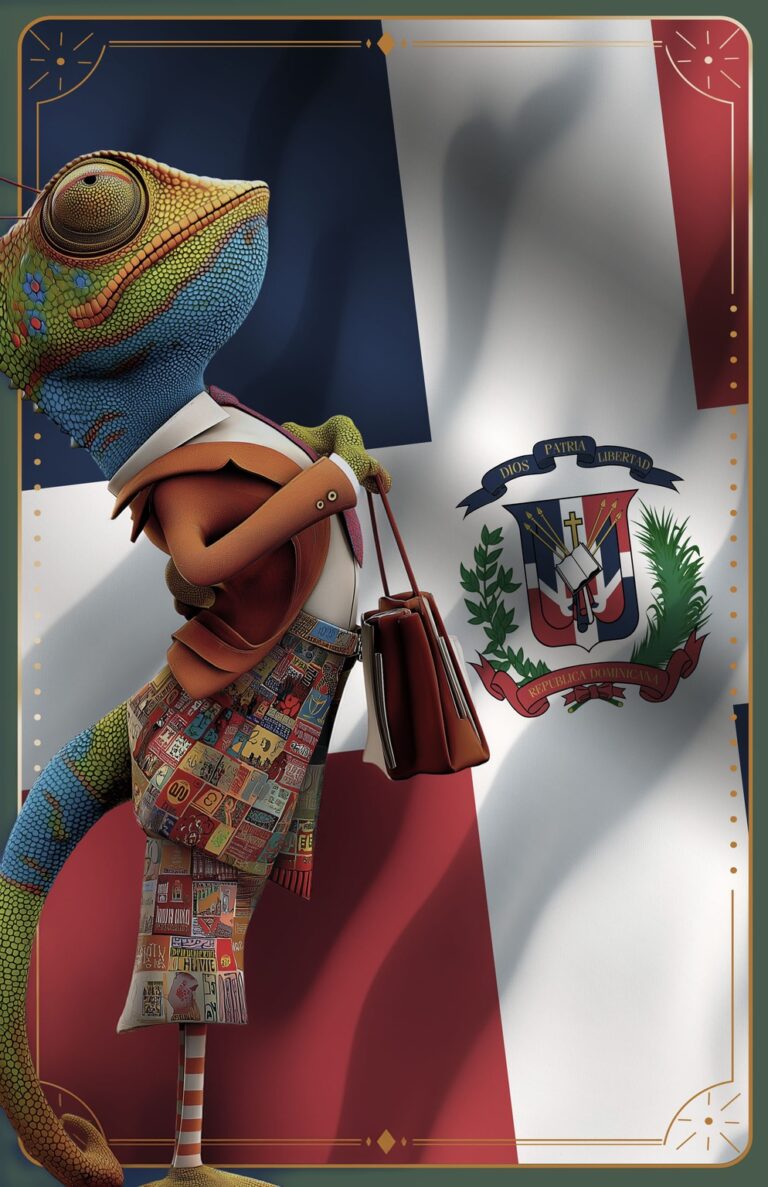
Dominican Republic
Business culture in the Dominican Republic is far more personal than many Brits are used to. Standing close during conversations and light physical contact are common, so avoid stepping back as it can be interpreted as unfriendly.
Personal questions and humour also play an vital part in building strong relationships in the Dominican Republic.

El Salvador
A traditional country with traditional values. It’s very important to address someone by their title and make sure to use Señor, Señora, or Señorita followed by the person’s last name.
British casualness in calling business partners by their first name once you know them should definitely not be brought over. It’s also very common to have a business meeting over breakfast, so expect some early meeting times.

Finland
As a fairly traditional nation, Finns are characterised by their reservedness. This translates into a willingness to embrace silence and long pauses in conversation. While this is more unusual in the UK, make sure to resist the urge to fill the silence, and give your Finnish colleagues the time to finish their thoughts.
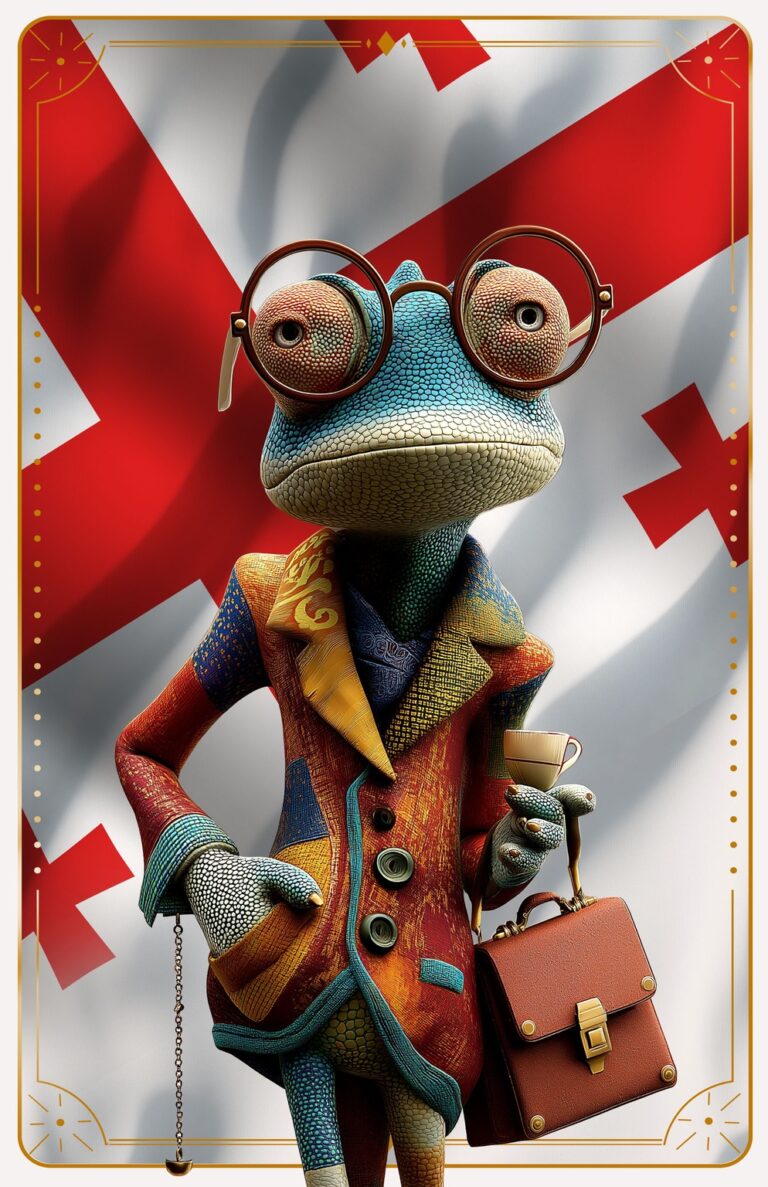
Georgia
Interest in searches for “Georgia business etiquette” increased worldwide by 109% in June 2026.
Avoid showing the bottom of your shoes, as this is seen as disrespectful. If your trip or meeting involves food or drinks, it’s also key to wait for the host to toast before you tuck in.
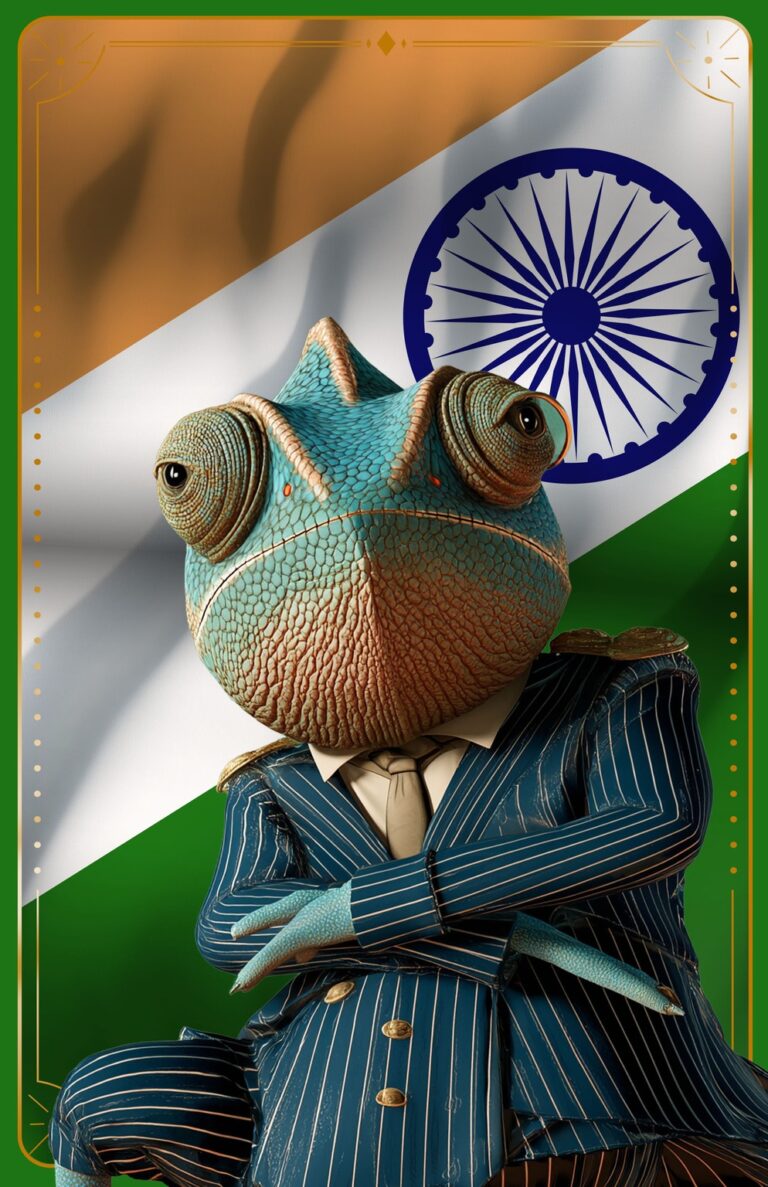
India
Online searches for “India work etiquette” increased globally by 7022% in the past year.
In this country, the main thing to be aware of during a meeting that involves food is not to eat with your left hand, as this is seen as unhygienic.
While Brits may eat certain foods such as bread with their hands after washing them, eating your whole meal with your hands is an important part of Indian culture.
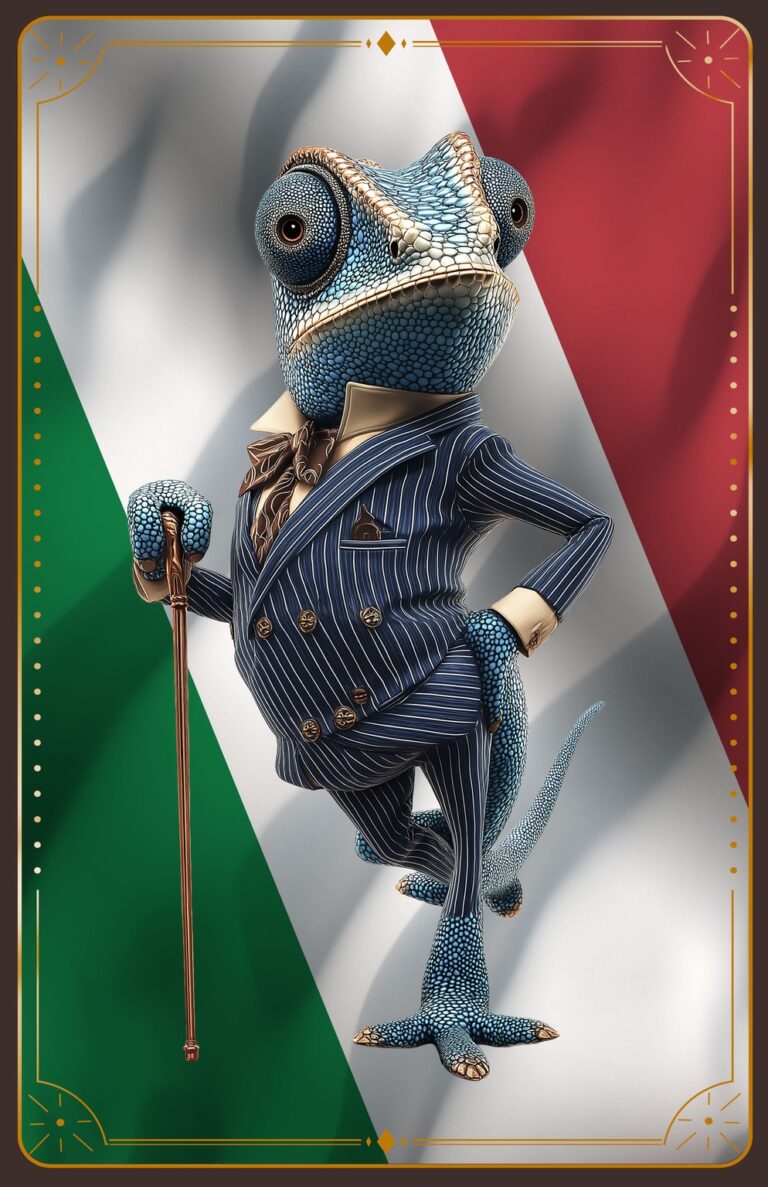
Italy
Search interest for “etiquette Italy” increased globally by 2462% in the past year, showing increased interest in getting things right when in Rome.
Guidelines to follow include taking time to make small talk and being open to debates and off-topic discussions. Don’t be too strict about a meeting’s agenda, let the conversation flow. It’s also a good idea to dress well as Italians put a lot of importance on fashion and looking the part.
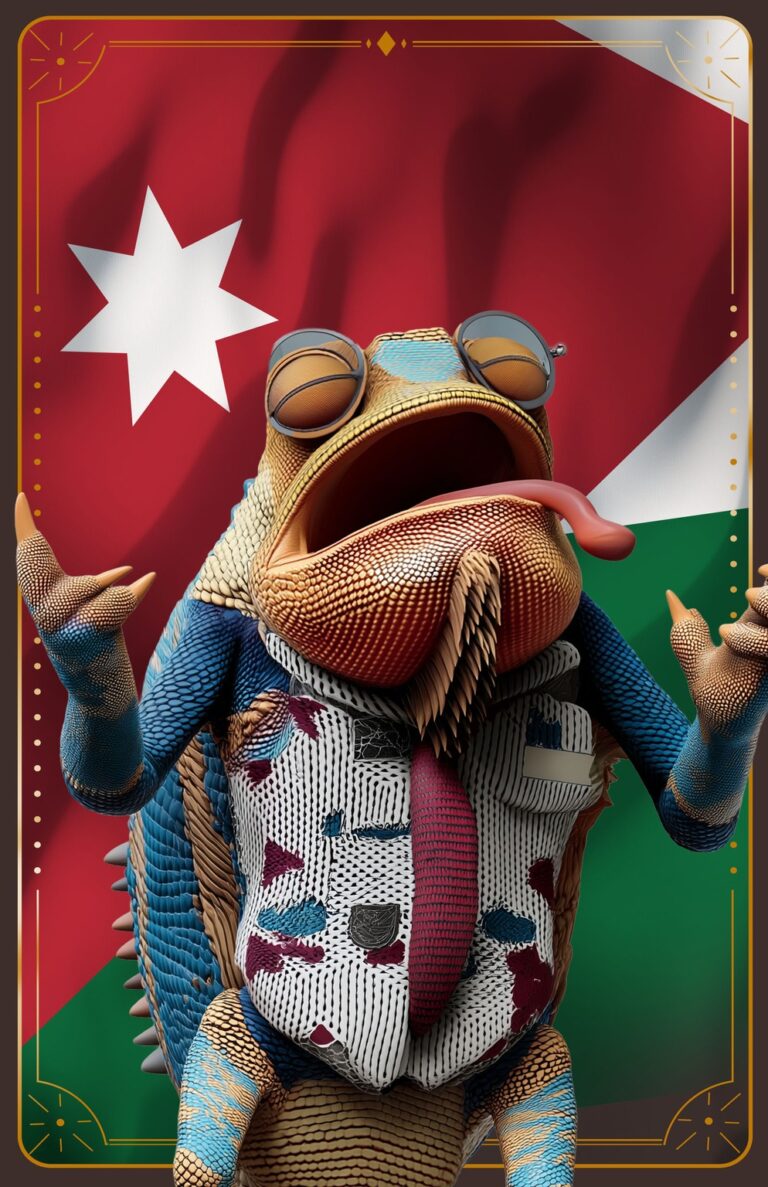
Jordan
Respect for tradition shapes business culture in Jordan. Something to keep in mind during business meetings is that a loud voice may be considered domineering, so don’t speak too loudly. Try to accept any offers made to you as a sign of goodwill too – ie a tea or a coffee being made for you – otherwise it can be considered as rude.
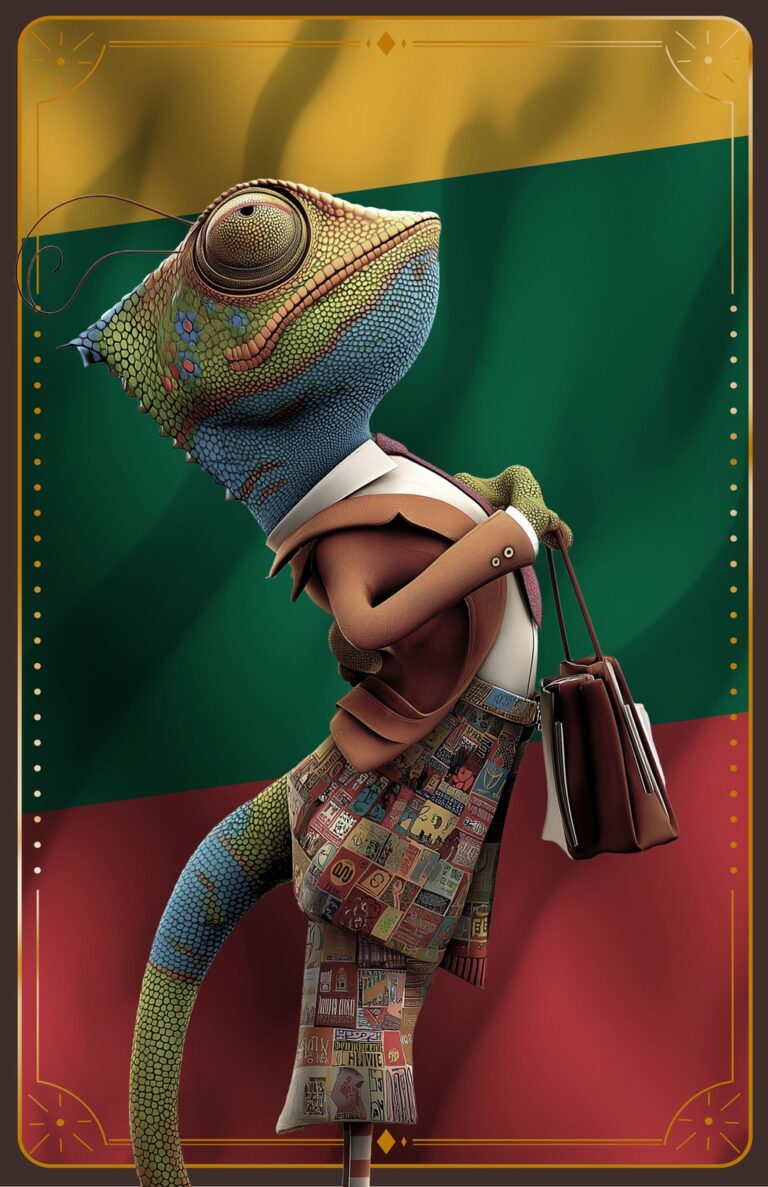
Lithuania
When working with Lithuanians, it is a good idea to bring a souvenir with you from your own country – even if it’s just something small that represents your culture or your company. This ice-breaker is much more effective than classic British small talk.
Another detail to keep in mind is that, in Lithuania, shaking hands over a threshold is considered bad luck.
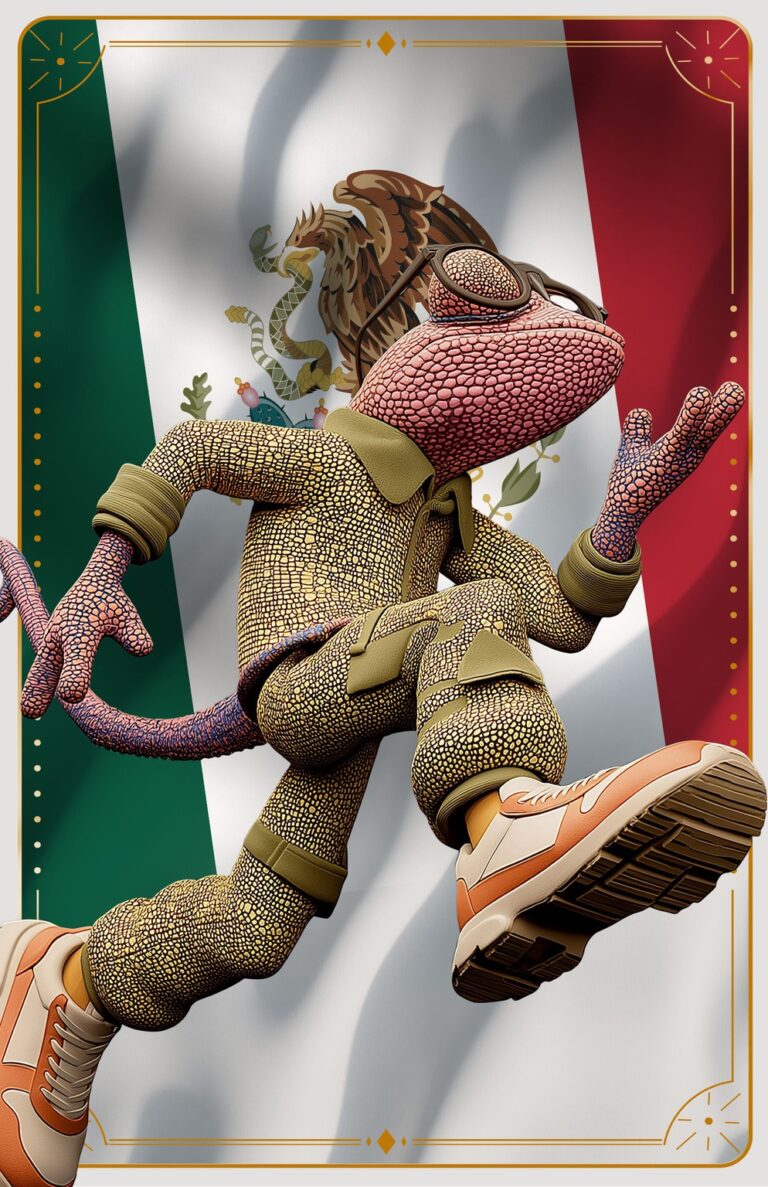
Mexico
Worldwide Google searches for “Mexican business culture” increased 2,014% over the past year.
One thing to consider while doing business in Mexico is your wardrobe. Hot weather shouldn’t encourage you to dress more casually as formal dress is expected at all times.
It’s also advised to maintain strong eye contact with your Mexican colleagues and to not stand too far away from them. While Brits may be used to more personal space, in Mexico space can be misconstrued as standoffishness or even make you seem untrustworthy.
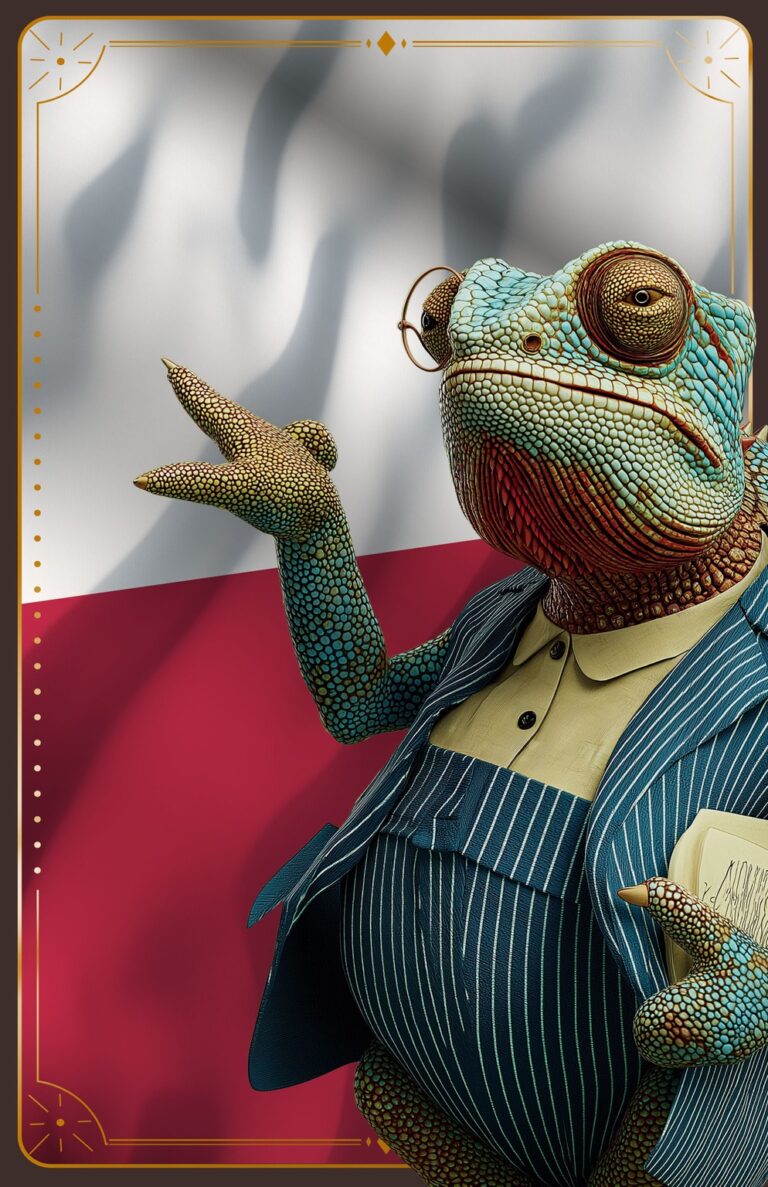
Poland
Interest in Google searches for “Poland work culture” increased by 10,470% in the past year worldwide.
Titles and hierarchy in Poland are crucial so make sure to greet your business partners in order of seniority and by their appropriate titles. It’s not a good idea to call somebody by their first name in the first meeting – even though this is quite common in the UK. Bringing a gift local to your culture is also a small gesture that will be appreciated.

Romania
Romanian culture places a lot of importance on hierarchy. In order to build a strong relationship with Romanian colleagues it’s best to have a more casual meeting first. Getting to know the people with less pressure first will make any negotiations a lot easier.
While personal relationships are key for building strong business ones, privacy is still appreciated, so don’t talk too much about your personal life or ask too much about theirs.
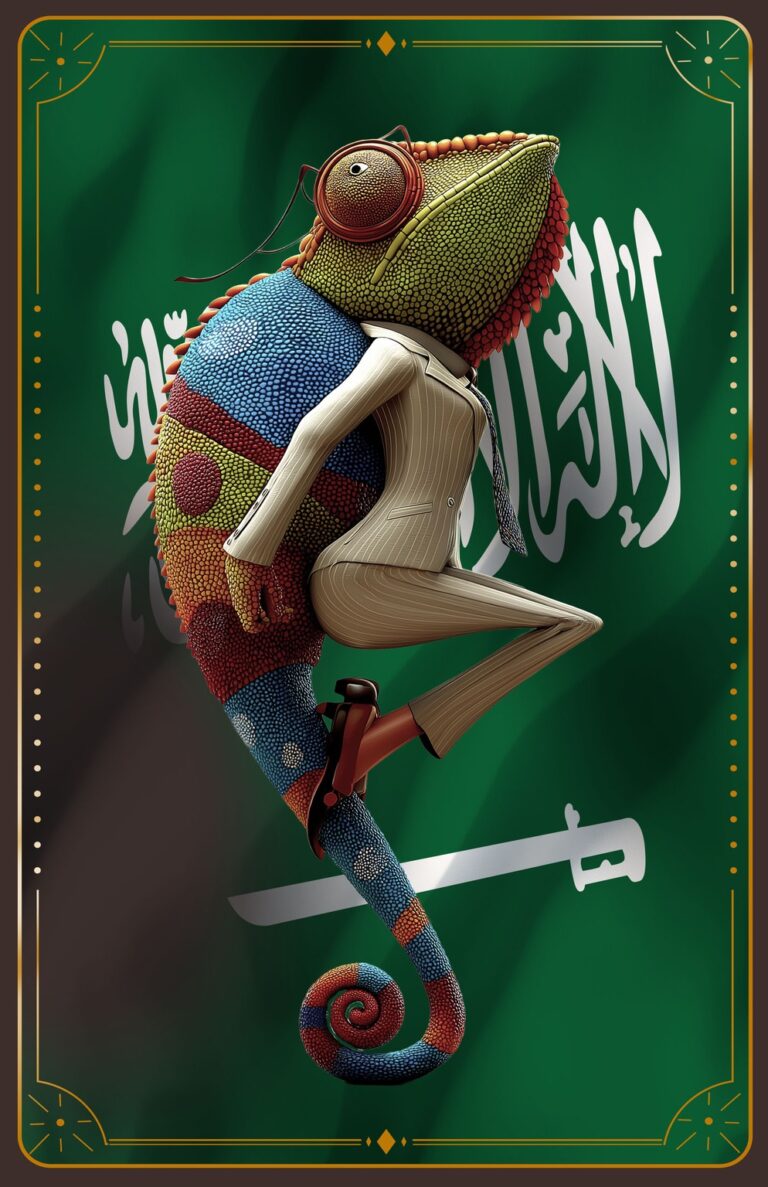
Saudi Arabia
Worldwide Google searches for “Saudi business culture” increased 10,846% in the past year. When working in Saudi Arabia, it’s important not to sit in a position that shows the soles of your feet, as this is considered to be insulting.
And while post-meeting drinks may be commonplace in certain sectors, remember that alcohol is illegal in Saudi Arabia.
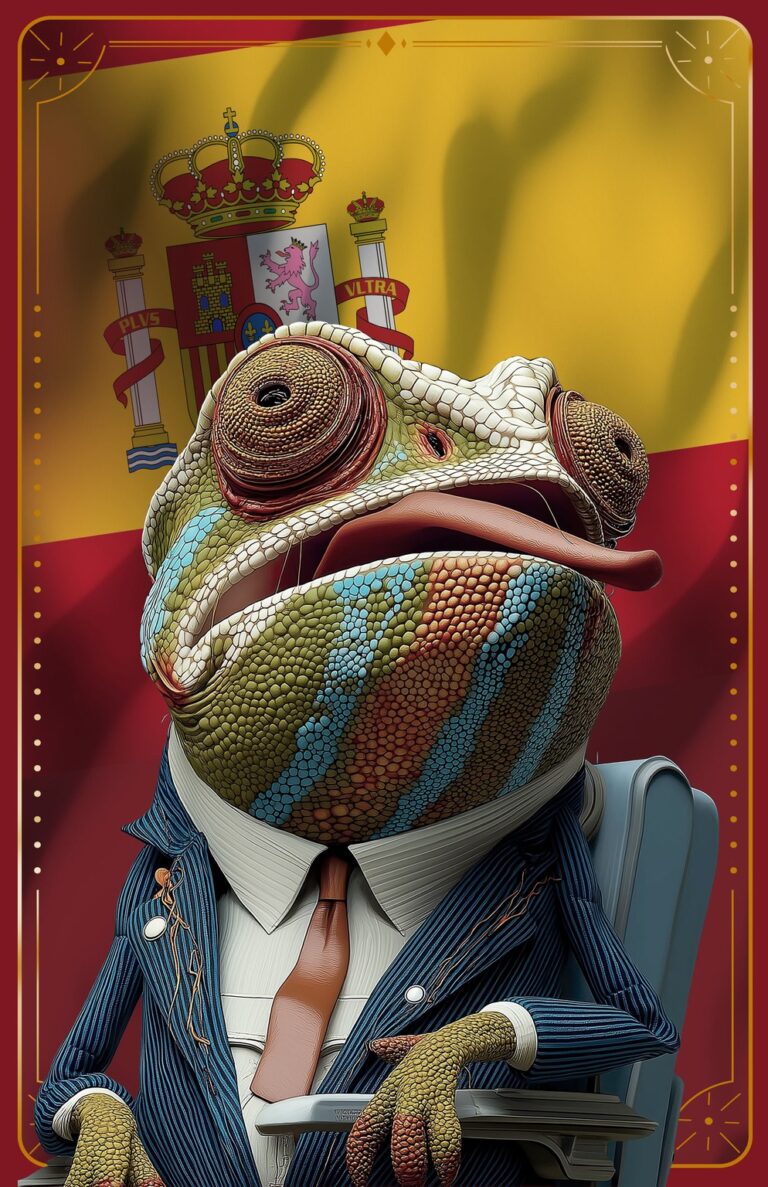
Spain
Interest in Google searches for “Spain work etiquette” are up 224% since 2025, showing a growing interest in getting things right on the sunny peninsula.
Debates and discussions are common in Spain. Do not feel personally attacked by a disagreement or feel the need to smooth things over immediately. Instead, use these discussions as an opportunity to connect.
It’s also customary to acknowledge the most senior person in the room first.
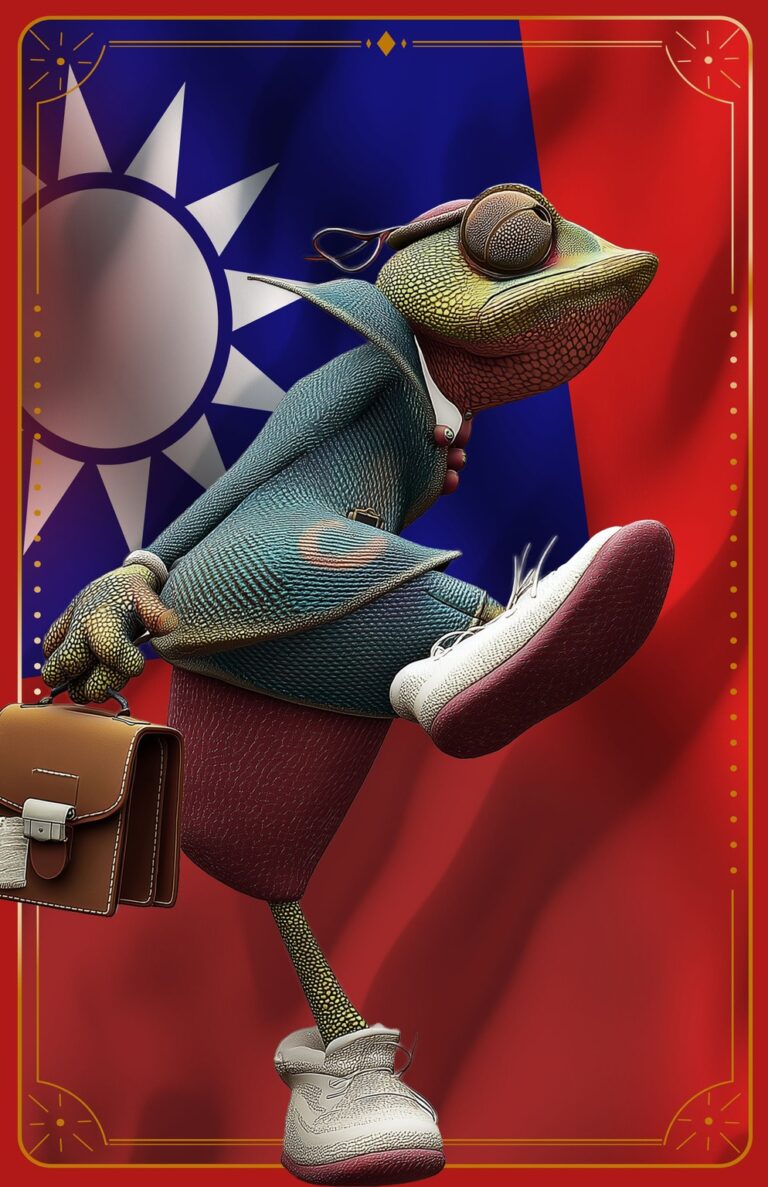
Taiwan
Certain things are absolutely to be avoided when working with Taiwanese businesses. Nervous movements, such as tapping your foot, are considered very rude so try not to let any unconscious fidgeting affect a business relationship.
Avoid touching anyone on the shoulders too, even in a social setting, as this is a sign of disrespect and will not make a good impression.